


How do you adapt a 30-year-old sewing machine repair business to meet modern customer expectations?
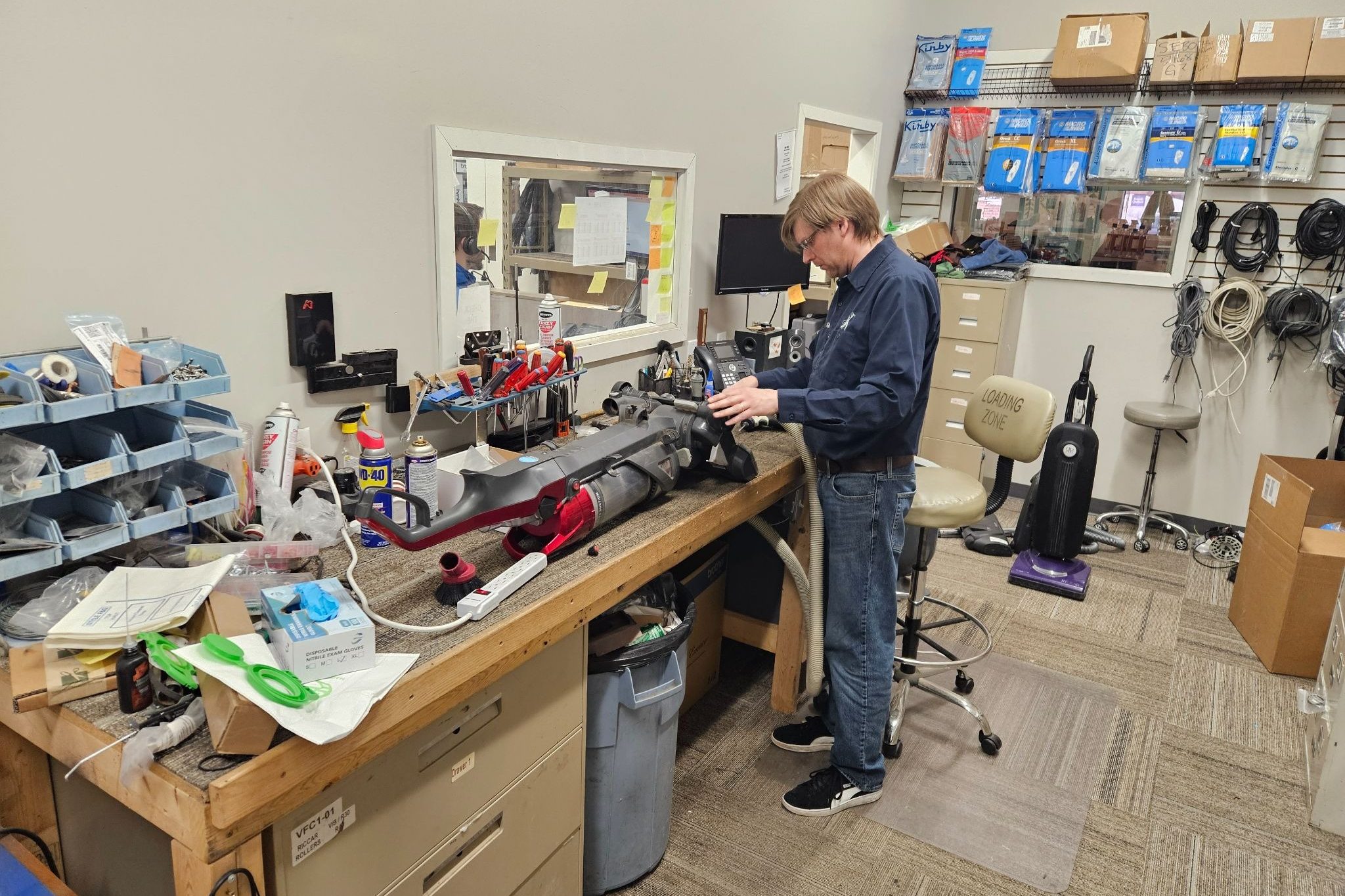
For Japheth Stauffer, the answer lies in consistency, integrity, and systems that support both people and process. Over the past 30 years, his sewing machine and custom quilting business has grown from a broom-closet service bench into a 6,000-square-foot repair shop handling nearly 2,000 repairs a year.
With repair volume increasing, A Stitch in Time needed a comprehensive repair shop management software to turn growing complexity into a structured, repeatable repair process.
The Business: A Stitch in Time
Specializes in: Sewing Machine Repair, Vacuum Cleaner Repair
Location: Bemidji, MN, USA
The Business
Jay’s journey into sewing machine repair began more than three decades ago, after he left the construction trade in search of a healthier work environment. His first exposure to the industry came through a vacuum store that added sewing machine repair out of necessity. What started as a small service offering quickly revealed a much larger opportunity.
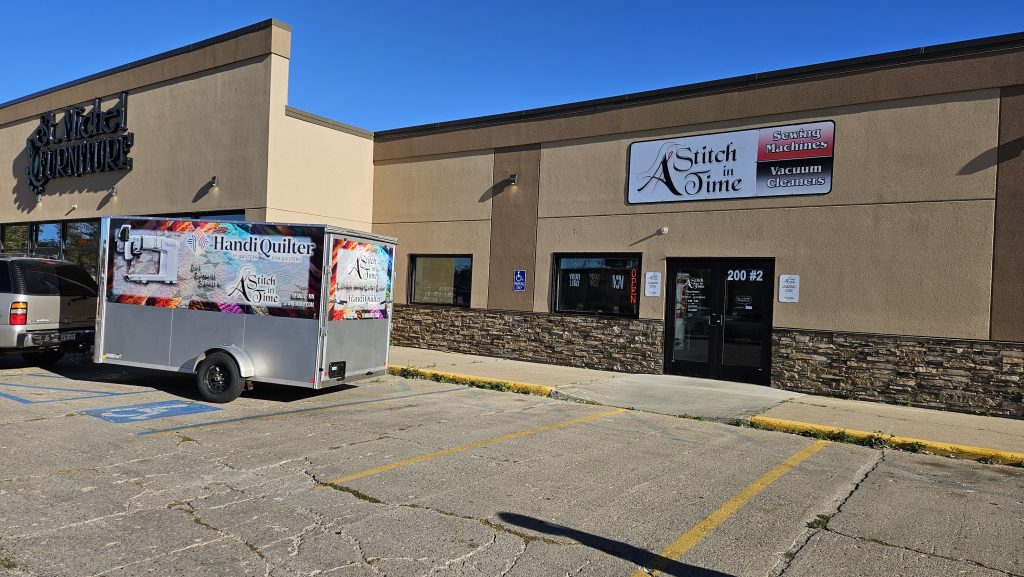
After eight and a half years, Jay set out on his own, opening a modest shop where the service department measured just six by eight feet. From that humble beginning, the business steadily expanded through multiple locations and evolutions. Today, it operates out of its fifth location, a 6,000-square-foot facility staffed by five full-time employees.
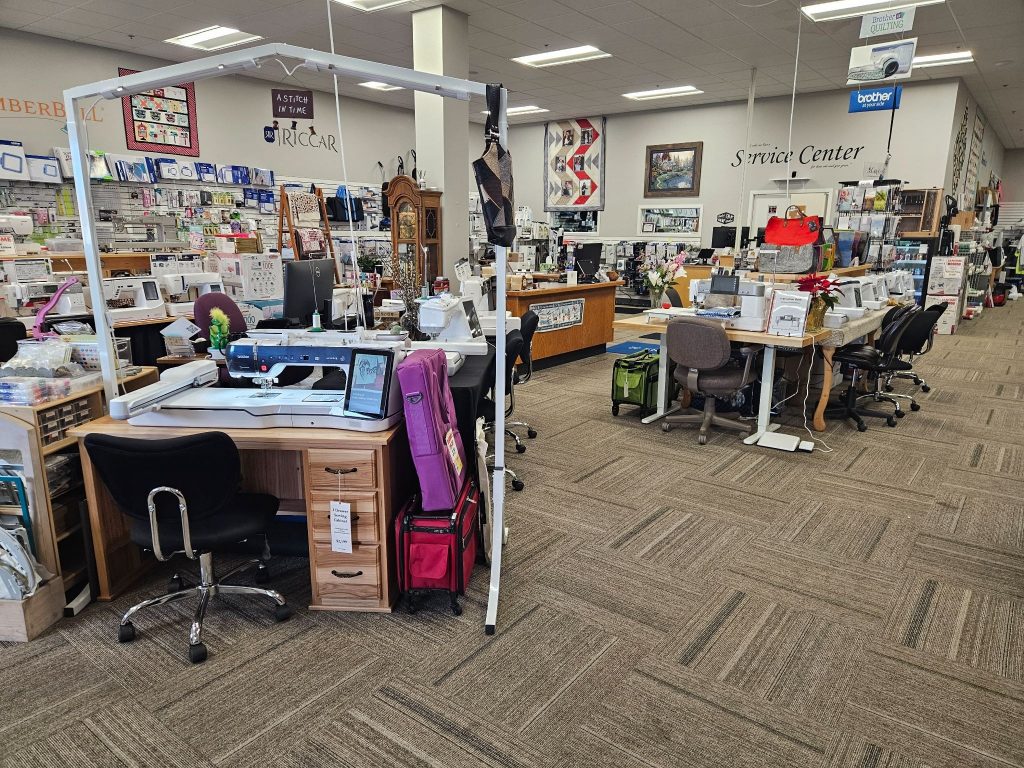
While sewing machine repair remains the engine that drives foot traffic, the business has grown into a multifaceted operation. In addition to repairs, it now generates revenue through sewing machine sales, vacuum services, custom quilting, and specialty printing. The store also features a 2,000-square-foot classroom used for classes, demonstrations, and community groups.
The result is a business that feels far larger than a traditional “mom-and-pop” repair shop, something customers immediately recognize upon entering.
The Challenge
As A Stitch in Time continued to grow, so did the complexity behind each repair. Handling nearly 2,000 repairs a year meant balancing detailed diagnostics, technician coordination, and customer communication—often all at once.
At the same time, the shop serves a customer base that values clarity and trust. Many repairs involve large, heavy machines, some requiring on-site service across a wide travel radius, making organization and documentation critical.
Meanwhile, peak moments added pressure. For example, checkout lines can quickly form when classes end, requiring speed without sacrificing accuracy or transparency.
Over time, legacy point-of-sale systems became a limitation. Rising per-station costs and fragmented workflows made scaling inefficient and increased the risk of missed details. Jay needed a system that could manage the entire repair lifecycle, from intake to follow-up, while preserving the personal service his customers expect.
The Solution
After evaluating multiple systems, Jay chose RepairDesk for one primary reason: the strength of its ticketing and customer interaction workflow.
From the outset, RepairDesk stood out for how clearly it tied together repair tickets, customer communication, inventory, and checkout. The ability to test the system before committing provided confidence that it could handle the business’s real-world complexity.
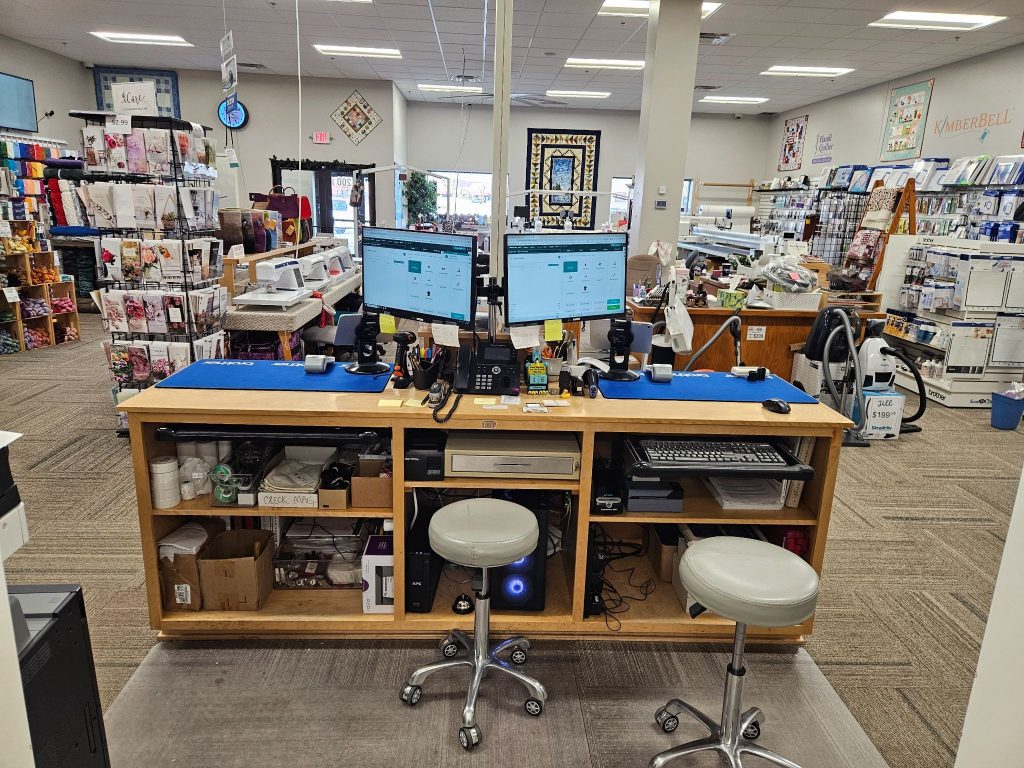
RepairDesk now serves as the central system across the operation, supporting:
- End-to-end repair ticket management
- Technician accountability and job continuity
- Customer communication
- Fast, barcode-based checkout across multiple counters
- Robust inventory management using spreadsheet-friendly workflows
Rather than forcing the business to adapt to rigid software, RepairDesk was customized to align with how the shop already operated, making adoption smoother for both staff and customers.
Bringing Continuity to Every Repair
One of the biggest operational gains for Jay has been continuity.
Each ticket in RepairDesk creates a complete service record, showing which technician worked on a repair, what diagnostics were performed, and what communication took place with the customer. This visibility ensures that no detail is lost, even when multiple technicians touch the same job.
Integrated call logs and transcripts in RepairDesk further reinforce accountability. Staff can quickly confirm what was communicated, when it was said, and by whom, helping the team confidently maintain consistent service standards and avoid misunderstandings.
For a business built on trust, this documentation is invaluable.
Faster Checkout
As repair volume increased, speed at checkout became critical, especially during busy moments when classes end, and dozens of customers line up simultaneously.
With RepairDesk, checkout time has been cut roughly in half. Staff can scan a ticket barcode, instantly pull up the invoice, and complete payment without manually searching for records. The customer-facing display reinforces transparency by showing totals clearly on both the screen and the payment terminal.
Appreciating RepairDesk’s customer-facing display, Jay said, “One of the great things that you guys have done for us is we’ve never had a customer-facing display, and now our customers actually get to see on their screen instead of peeking into my screen while I’m entering the numbers.”
That’s not all. Inventory management saw equally meaningful improvements. Preparing inventory used to take six to seven weeks. With RepairDesk’s data tools and spreadsheet imports, that process now takes closer to three and a half weeks, freeing up time for higher-value work.
Customer Communication That Saves Time
For Jay, the most valuable feature in RepairDesk is customer interaction within the ticket itself.
Instead of relying heavily on phone calls, staff can text customers directly from the repair ticket, respond to replies, and keep the entire conversation logged alongside the repair. This allows technicians to stay focused on their work while still keeping customers informed.
It’s a simple shift, but one that saves time, reduces interruptions, and keeps communication consistent across the team.
A Platform That Grows With the Business
Transitioning systems is never easy, especially for a business that’s been operating successfully for decades. Jay compares it to moving into a new house or learning to drive a car; there’s an adjustment period, but the long-term benefits are worth it.
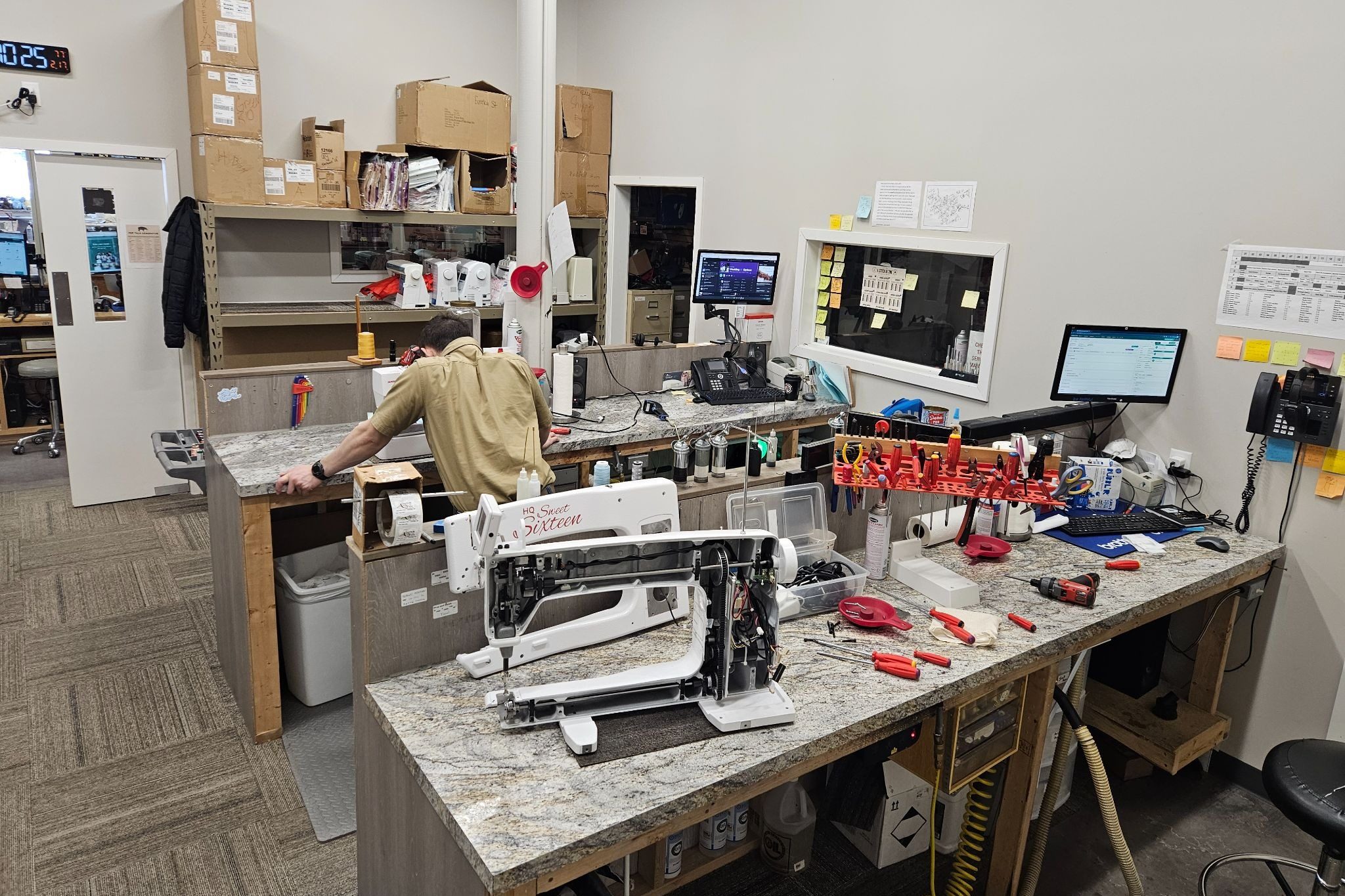
What made the difference for A Stitch in Time was RepairDesk’s flexibility and support. From customization to fast response times, the platform proved adaptable to the shop’s specific needs and workflows.
“That responsiveness has reinforced confidence that RepairDesk is not just a tool but a long-term partner,” says Jay.
Together, these improvements allow A Stitch in Time to handle growing repair volume without adding operational overhead or sacrificing customer experience.
The Takeaway
Today, RepairDesk supports a business rooted in craftsmanship and long-standing customer relationships while enabling it to operate with modern efficiency.
With clearer repair ticket continuity, faster checkout during busy class days, and built-in customer communication, the team can manage thousands of sewing machine repairs each year.
For Jay, RepairDesk has proven to be well worth the change: a system that strengthens day-to-day operations while preserving the personal service and care that have defined his business for more than three decades.


